






What can a single drop of water tell us about a profession? And what knowledge and technologies are needed to keep agricultural produce fresh and maintain its quality?
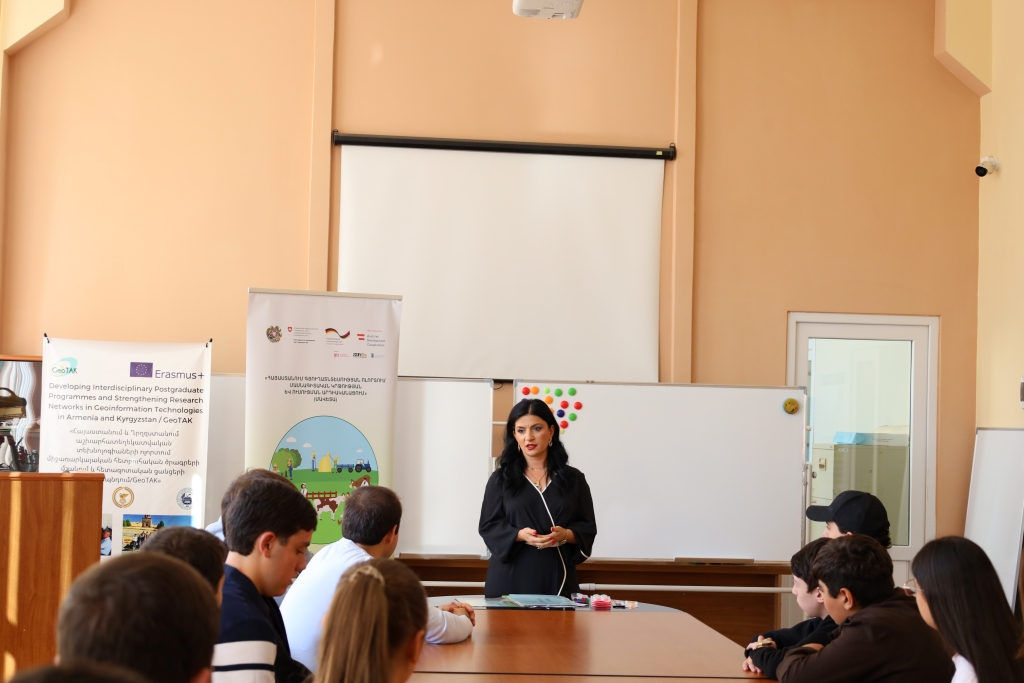
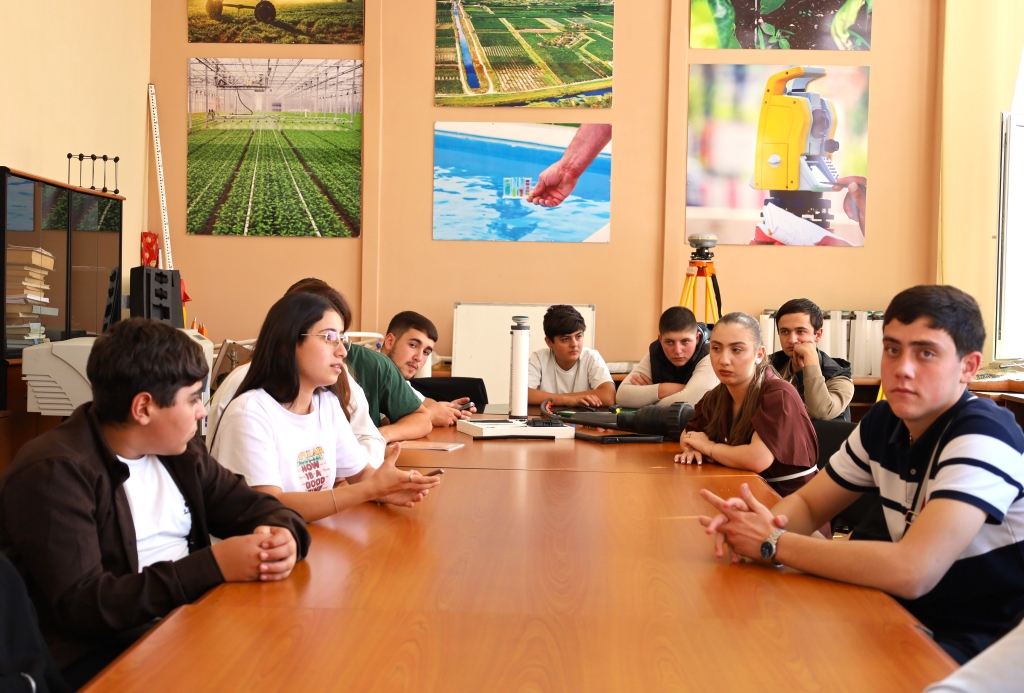
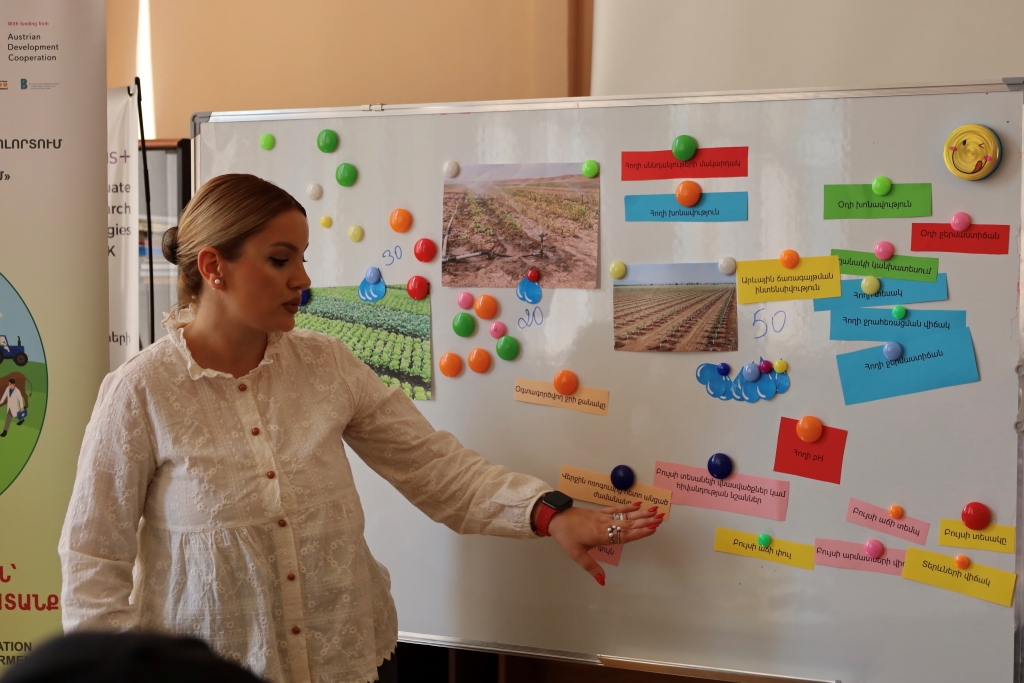
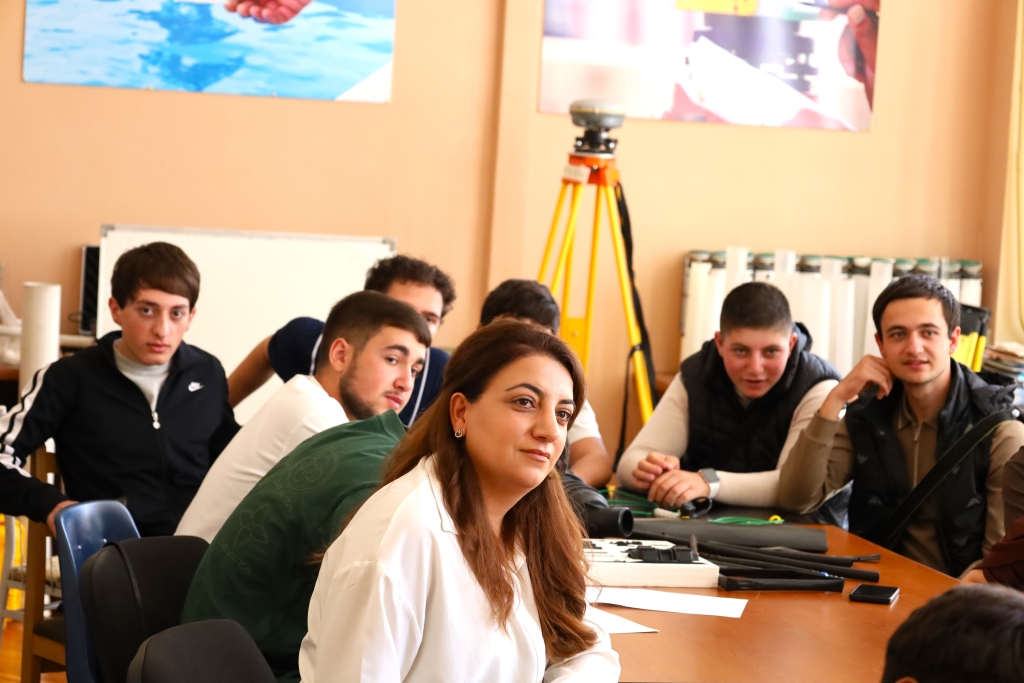
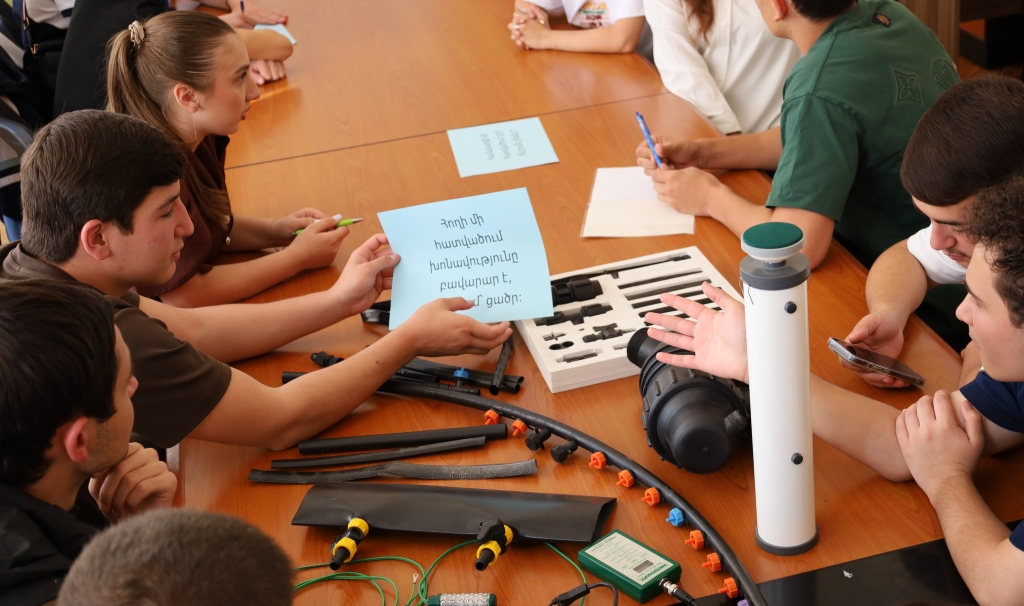
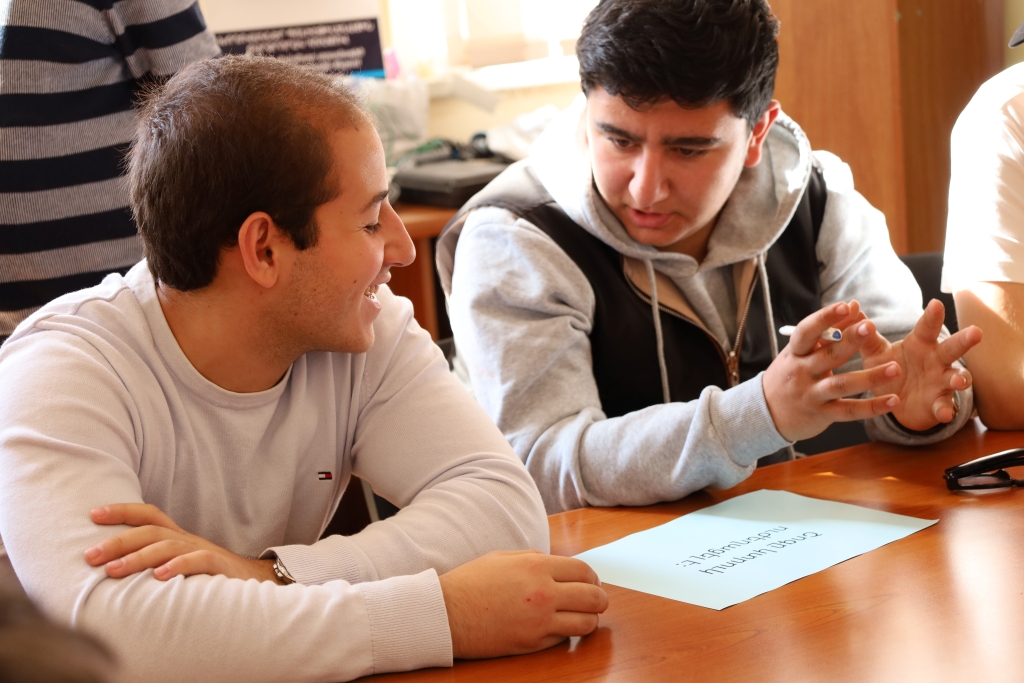
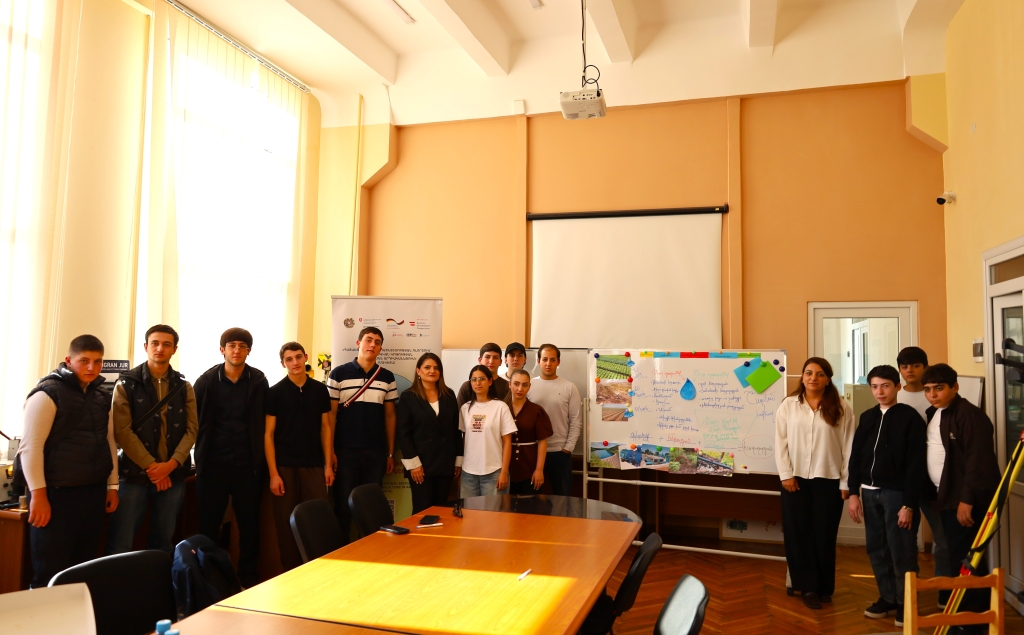
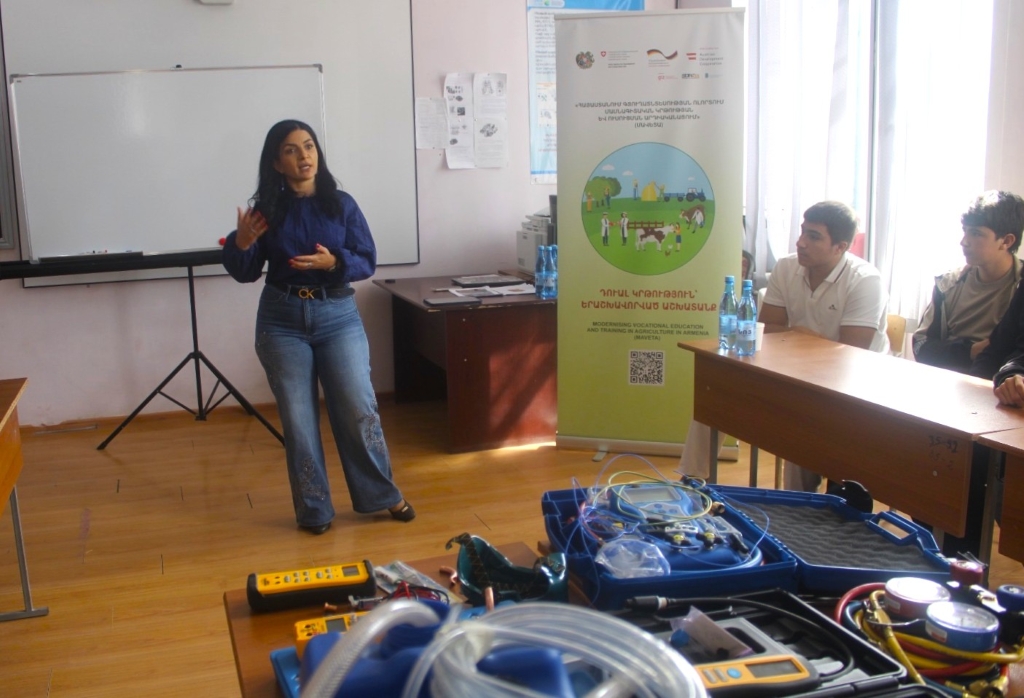
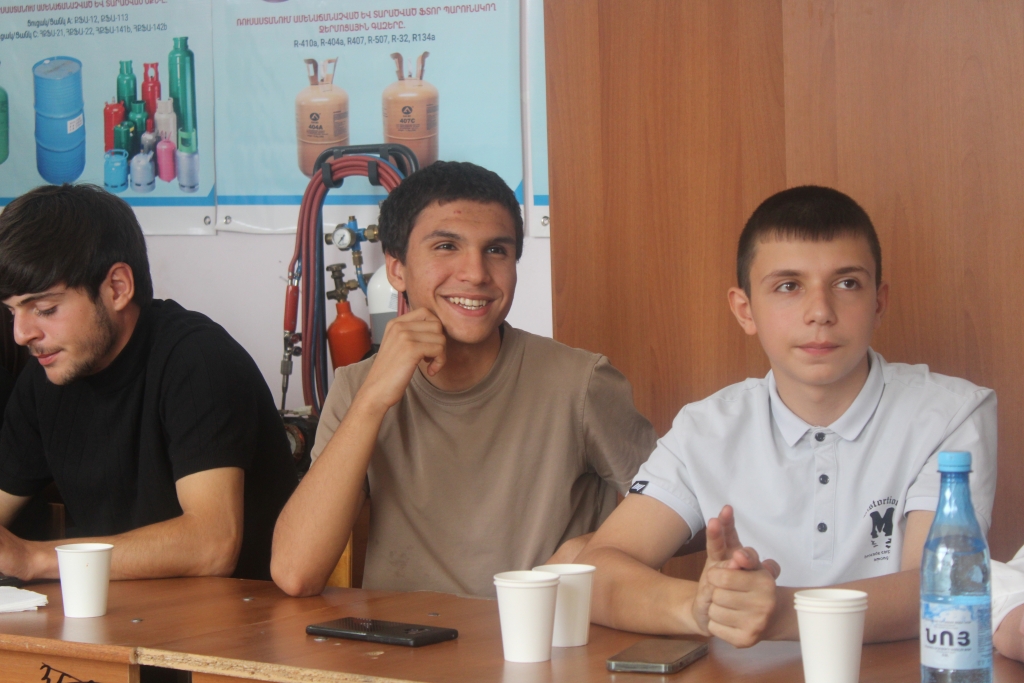
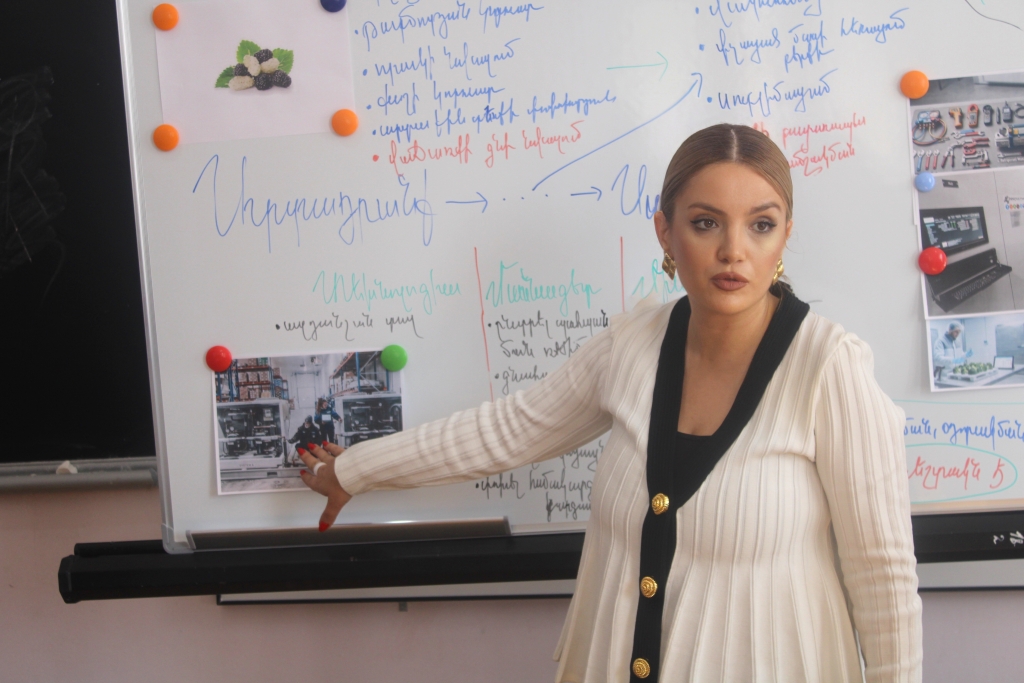
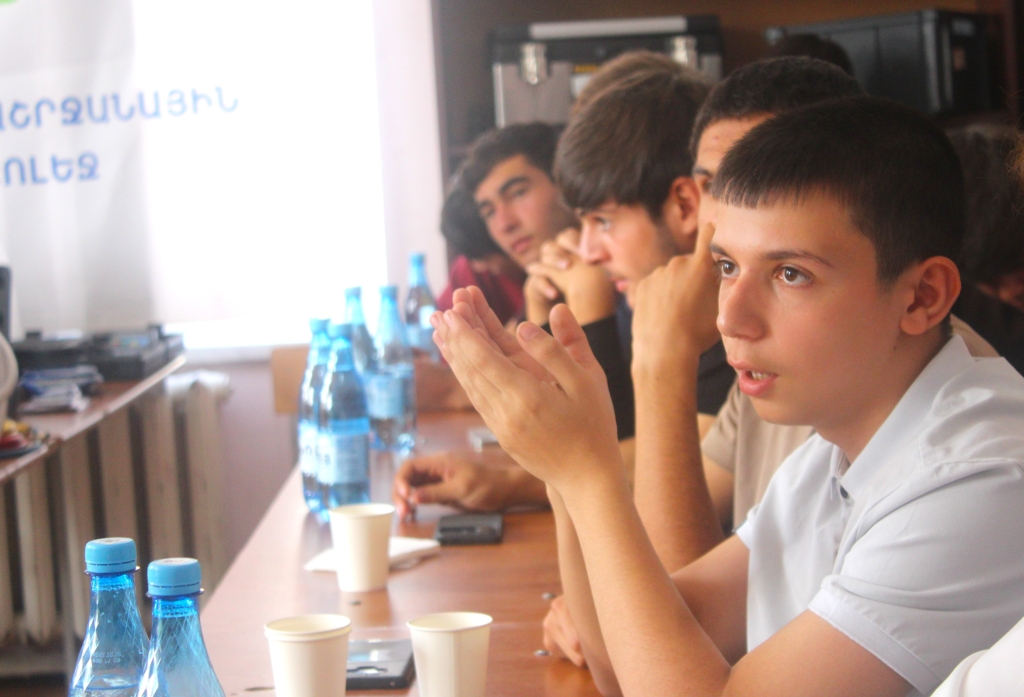
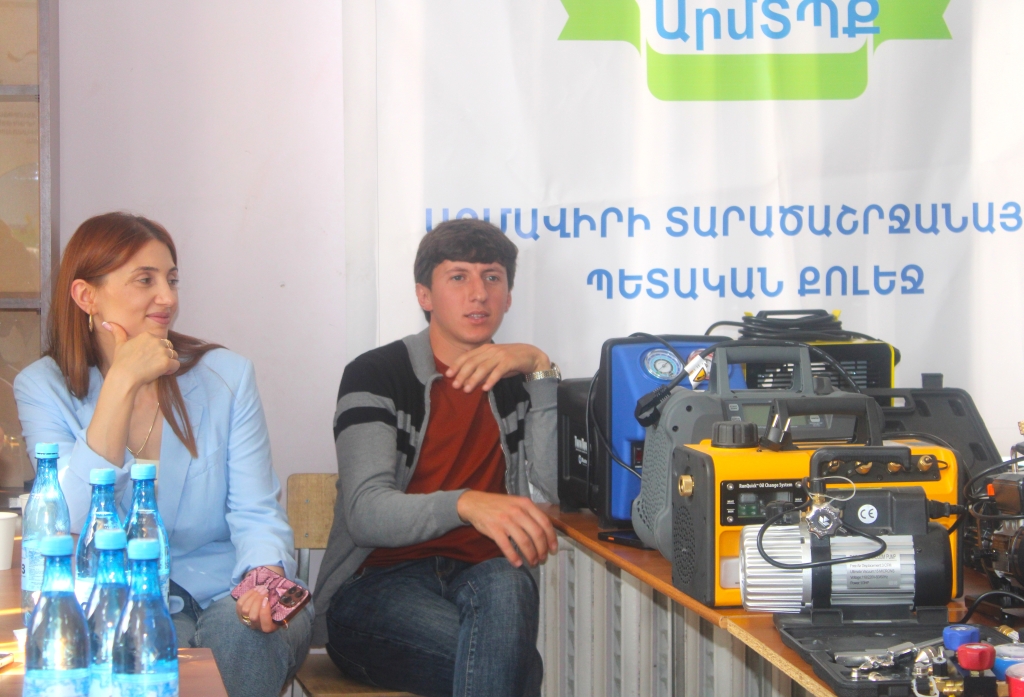
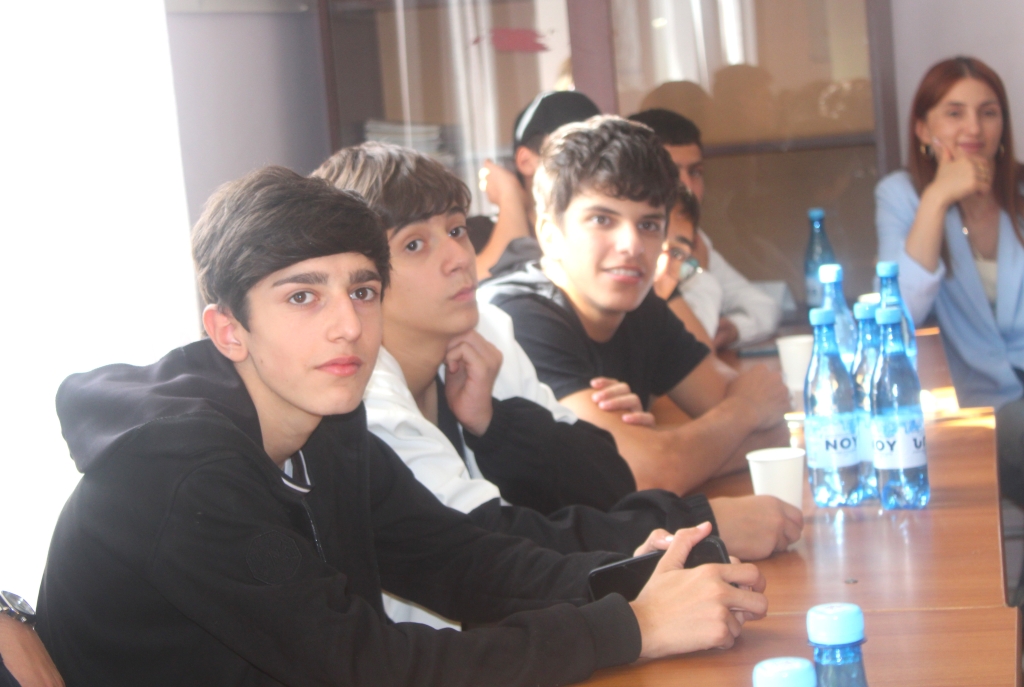
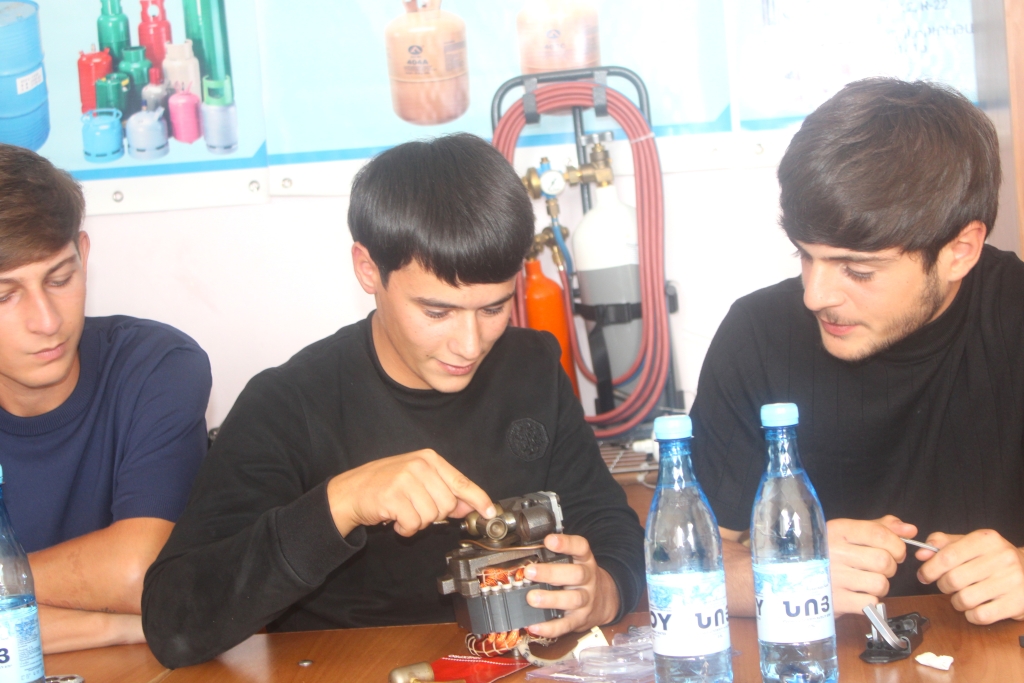
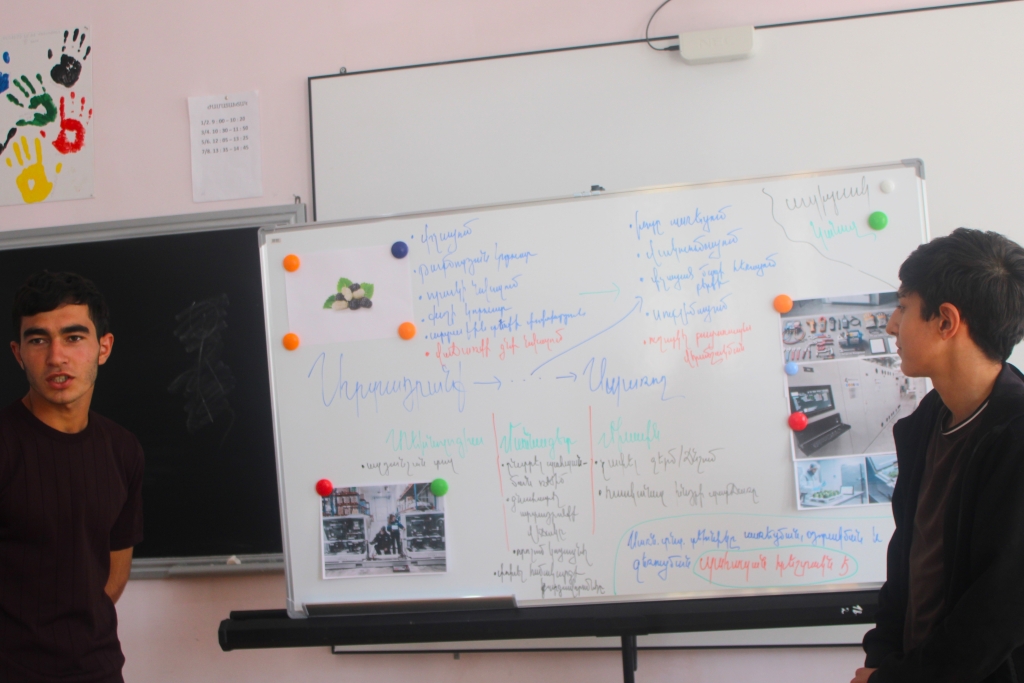
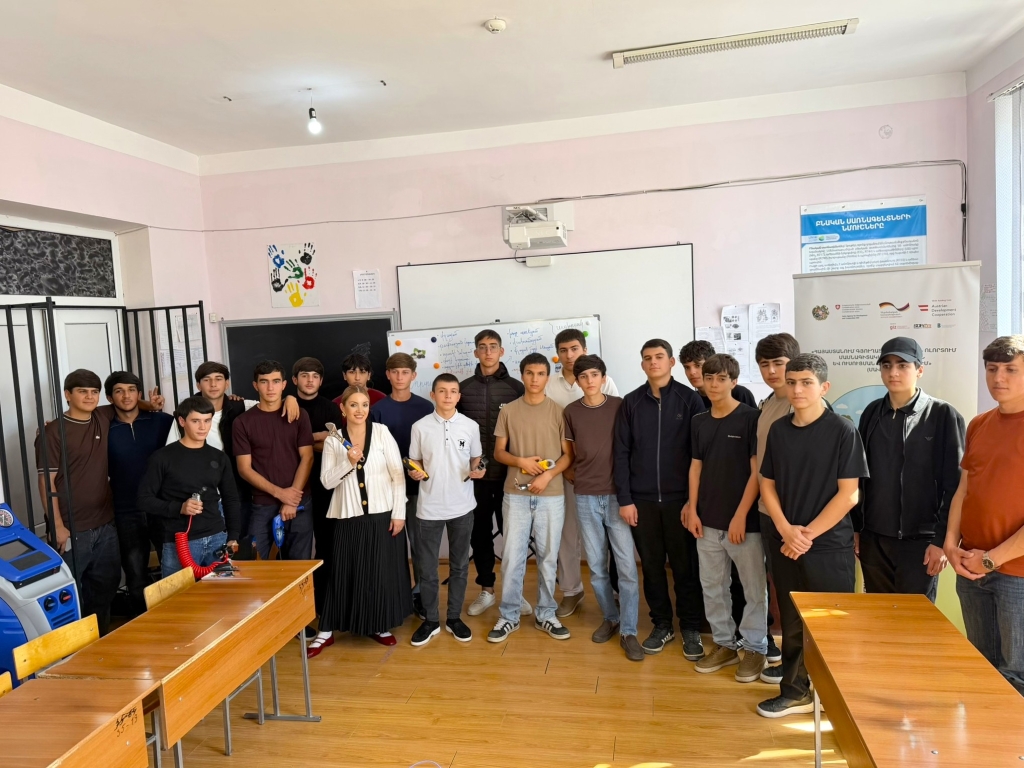
As part of the MAVETA project, apprentices studying “Installation and Operation of Drip Irrigation Systems” and “Cold Chain Management” explored these questions through creative games, discussions of professional scenarios, and the development of Mood Boards.
“The Power of Every Drop”
How can limited water resources be used as efficiently as possible? How can technology and data help us understand plants’ needs and make informed decisions? The apprentices explored how drip irrigation specialists help conserve water, improve efficiency, and contribute to sustainable agricultural development.
“Preserve the Produce”
What does a farmer lose when produce is not stored under appropriate conditions? And how can specialists prevent these losses? Through discussions, the apprentices discovered the role of cold chain management in maintaining product quality, reducing food loss, and preserving the value of agricultural produce.
During both sessions, the young participants also selected colours, images, symbols, and ideas that, in their view, best capture the essence and future of these professions.
Most importantly, the apprentices’ ideas, professional insights, and visions of the future will serve as the foundation for the creation of two animated films. The films will highlight why these professions matter in modern agriculture, the role of technology and professional expertise, and the opportunities these career paths offer young people.
Because the future of agriculture is shaped not only by new technologies, but also by the skilled, knowledgeable professionals who put them into practice.
The MAVETA project is financed by the Federal Ministry for Economic Cooperation and Development (BMZ), the Swiss Agency for Development and Cooperation, the Austrian Development Agency (ADA) and the Government of Armenia.
The project’s implementing partners are the Deutsche Gesellschaft für Internationale Zusammenarbeit (GIZ) GmbH and Strategic Development Agency NGO, the School of Agricultural, Forest and Food Sciences at the Bern University of Applied Sciences (BFH-HAFL).